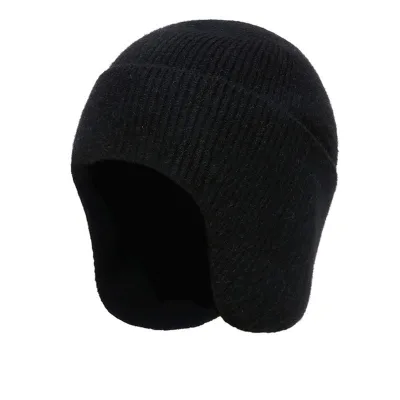
Source Windproof Soft Knit Beanie Hat for Travel, Sports, School
Find a windproof soft knit beanie hat from 30 verified listings. Compare options featuring wool, cotton, and knit materials with customization, OEM/ODM support, and various colors for winter and autumn use; compare the available evidence and request quotations based on your requirements.
Key considerations
Products List




Comprehensive Sourcing Guide
Windproof Soft Knit Beanie Hat Sourcing Guide
Product Scope and Observed Listing Signals
The windproof soft knit beanie hat category in this listing set spans roughly 30 products, with observed price points ranging from about $0.60 to $20 and minimum order quantities from 10 to 1,500 pieces. That spread indicates a market serving both small retail test orders and volume wholesale programs. Most listings target adults with unisex designs, though some entries specify boys as the applicable gender, so buyers should confirm the intended wearer before comparing quotes. Model identifiers such as A088, 6-XY127F, Bobble Hat-054S, Bobble Hat-031H, and Beanie-057G suggest a mix of basic beanies, bobble styles, and brimmed variants.
Pattern themes observed include plain dyed, animal, cartoon, and letter designs, applied through flat embroidery or woven patches. Material claims split between knit, 100% cotton, and 100% wool, and color options are broad, spanning black, white, red, yellow, gray, blue, green, orange, purple, brown, and multicolour. Seasonal positioning centers on winter and autumn, with some listings extending to spring and even summer. Buyers should treat each attribute as a per-listing observation, not a category-wide guarantee.
Technical Specifications to Verify
Size is the first specification to lock down. Observed standards reference a 58cm head circumference, a 56–60cm size range, and one flat width measurement of 21cm, which shows that suppliers describe fit inconsistently. Request a physical measurement protocol from each supplier: circumference measured on a head form or tape in the round, flat width, and height of the crown. Because knit fabric stretches, specify tolerance ranges and whether the fit depends on rib elasticity or on an adjustable feature, which some listings claim.
Material composition drives softness, warmth, and washability. Listings claim knit, 100% cotton, and 100% wool, so request a composition breakdown by weight and yarn count, not just a fiber name. Confirm claimed features against construction: windproof behavior depends on knit density and any lining, ear warmer coverage depends on crown height, and foldability depends on gauge and finishing. One listing notes a "soft" attribute and another lists antimicrobial treatment; ask for the mechanism behind such claims. Also confirm packing format, since observed listings specify either carton or OPP bag packing, which affects retail readiness and unit cost.
Compliance and Safety Documentation
Do not assume certification from a listing attribute. Because these beanies originate in China and are described as OEM and ODM products, buyers are responsible for defining which test reports and compliance documents the destination market requires for knit headwear. Ask each supplier to state what documentation they can currently provide, and treat any gap as a negotiation item rather than a disqualifier. For wool and cotton products, fiber composition documentation should match the labeling rules of your market.
Cartoon and animal pattern themes, particularly on the boys' listing, can trigger children's product requirements in some destinations, so clarify whether that item is intended for children or for adults and verify accordingly. Antimicrobial claims, where made, typically require supporting treatment documentation. Also request washability evidence, since washable is a listed feature across several items; a laundering protocol test helps confirm colorfastness for plain dyed and multicolour knits. Record every document request in the specification sheet so that pre-shipment inspection can verify what was promised.
Cost Drivers and Commercial Terms
Observed pricing spans $0.60 to $20, a wide band that likely reflects differences in material (cotton versus 100% wool), construction complexity, and decoration method. Flat embroidery and woven patches add per-unit cost compared with plain dyed knitting, and bobble or brimmed constructions require additional assembly steps. To compare quotes fairly, ask suppliers to price an identical specification sheet, including material composition, gauge, size range, decoration, and packing format. Wide color assortments can also raise cost through dyeing minimums and changeover losses.
Minimum order quantities run from 10 to 1,500 pieces, so align MOQ with your sales plan before negotiating. Low-MOQ listings are useful for sampling and market testing but often carry higher unit prices; high-MOQ programs should come with tiered pricing. Clarify customization terms explicitly, since OEM and ODM support is listed but scope varies: confirm who owns artwork, what tooling or patch molds fees apply, and whether customized orders change the MOQ. Finally, confirm packing (carton versus OPP bag) and whether carton markings, labels, and retail packaging are included in the quoted price.
Supplier Qualification and Quality Control
Qualify suppliers through a structured sample evaluation before committing to volume. Order samples of the specific models under consideration, such as a knit beanie variant, a bobble hat variant, and a brimmed variant, and compare them against the specification sheet for size, weight, knit density, and softness. Test windproof claims subjectively in outdoor use and washability through repeated laundering at home-scale conditions. For wool items, assess hand feel and check for pilling after a few wash cycles.
During production, use inspection checkpoints proportionate to order size. For larger programs, an inline check mid-production catches knit tension and color consistency problems before completion; for smaller orders, a final random inspection against an agreed AQL level is usually sufficient. Verify that embroidered or patch-applied decorations are secure and correctly positioned, and confirm color matching against approved swatches for multicolour assortments. Photograph and retain golden samples from every approved production run so future reorders can be compared against a fixed reference rather than a remembered one.
Long-Term Procurement Checks
Sustained supply depends on confirming that seasonal consistency holds across reorder cycles. Because these beanies are positioned for winter and autumn, demand concentrates in a narrow window, so agree reorder lead times in the off-season and reserve capacity with your preferred supplier before peak production months. Monitor whether model numbers, such as Beanie-057G or Bobble Hat-031H, remain active and whether spec drift occurs between orders, particularly in yarn composition and knit gauge, which suppliers may substitute quietly when inputs tighten.
Build documentation hygiene into the relationship. Every reorder should reference the same specification sheet, approved color swatches, and golden sample, and any change should require written confirmation. Track per-lot quality data—defect types, size deviations, and wash-test failures—so supplier conversations are grounded in trend lines. Revisit customization agreements annually, confirming that artwork ownership, tooling, and color-library arrangements still match your needs. Finally, diversify gradually: qualifying a second capable supplier before you need one protects your season, but avoid splitting orders so thinly that neither supplier treats your business as priority volume.
Practical Next Steps for Buyers
Move from listing review to verification with a short, disciplined sequence. First, shortlist three to five listings whose observed attributes match your target, noting material, decoration method, and packing format. Second, send an identical RFQ specification sheet to each, requesting composition breakdown, size protocol, color swatches, customization scope, and packing details. Third, evaluate physical samples against that sheet and document results with photos and measurements.
Before the first production order, agree inspection criteria, golden sample retention, and document deliverables in writing. Then treat the first shipment as a learning cycle: record what matched the spec, what drifted, and which claimed features survived washing and real-world wear. Use those findings to refine the specification sheet and to decide which supplier earns larger, recurring seasonal volume. Buyers who follow this loop convert a broad, varied listing environment into a reliable, repeatable supply program for windproof soft knit beanie hats.
FAQs
What materials are used for windproof soft knit beanies?
Windproof soft knit beanies are primarily made from knit materials including 100% cotton, 100% wool, and generic knit blends. These materials ensure the hat remains soft while providing necessary warmth and breathability for winter and autumn seasons.
Which sizes are available for these knit beanie hats?
The standard size for these beanies ranges from 56 to 60 centimeters, with some specific models adhering to a 58 centimeter standard. This one-size-fits-most design accommodates most adult head circumferences comfortably without requiring complex sizing adjustments.
Can buyers request custom designs for these beanies?
Yes, customization is available for these beanies through OEM and ODM services. Buyers can request specific patterns like animal themes, cartoons, or letters, and choose from various colors including yellow, white, red, and black to match their brand requirements.
What special features do these windproof beanies offer?
These beanies feature windproof, washable, lightweight, and foldable properties with adjustable ear warmers. Some models also include antimicrobial treatments and breathable fabrics, making them suitable for outdoor sports, travel, and casual winter wear for unisex adult users.
How are these beanies packaged for shipment?
Packaging options vary by model, with some items shipped in cartons while others use individual OPP bags. The specific packing method depends on the product model and order volume, ensuring safe transport and presentation for wholesale buyers sourcing from China.
What is the minimum order quantity for these hats?
Minimum order quantities range from 10 to 1500 units depending on the specific product model and customization level. Some standard models may require 500 units, while others allow smaller trial orders, providing flexibility for different buyer needs and budget constraints.
Which seasons are these beanies suitable for wearing?
These beanies are designed for winter, autumn, and spring seasons, offering warmth during colder months. The knit construction and special features like ear warmers make them ideal for outdoor activities, school, and casual travel during transitional weather periods.